
Oil Handling Precautions
1. Prolonged and often repeated contact with mineral oil leads to the washing off of natural fats from human skin and the occurrence of dryness, irritation and dermatitis. In addition, used motor oils contain potentially dangerous ingredients that can cause skin cancer.
2. Wash hands thoroughly with soap or other cleaning agent after handling oil. After cleaning the skin, apply a special cream to restore the natural fat layer of the skin.
3. Do not use gasoline, kerosene, diesel fuel or solvent to clean oils from leather.
Safety measures when working with electrical equipment
1. Do not disconnect the battery while the engine is running, otherwise the vehicle's electrical components may be damaged.
2. Before performing any work related to the electrical equipment of the car, as well as when replacing any element of electrical equipment, it is necessary to disconnect the wire from the negative terminal of the battery and thereby avoid possible damage caused by a short circuit.
Attention:
- Before disconnecting or connecting a cable to the negative battery terminal, make sure that the light switches and the ignition key are in the "OFF" (OFF) (if this is not done, then there is a possibility of damage to semiconductor parts).
- All diagnostic codes stored in the electronic control unit are erased when the wire is disconnected from the negative battery terminal. Therefore, it is necessary to read diagnostic codes before disconnecting the battery.
3. When installing the battery, do not reverse the polarity of the wires connected to its terminals.
Attention: after installing the battery, the power wire and wire "masses" must be securely connected to its terminals (pins).
4. When removing and installing parts, do not strike the elements of electronic control systems, especially the electronic control unit.
5. When operating in rainy weather, keep the electronic control units away from water. The same should be done when cleaning the engine compartment (engine wash).
6. Handle high voltage wires with care.
7. After completing repairs, make sure that all wiring connectors are properly and securely connected and wire harnesses are properly secured.
8. Safety regulations for working with the battery.
A) The battery emits flammable and explosive gas:
- - Be careful when working with tools that can cause sparks from the battery.
- - Do not smoke or light matches near the battery.
b) The electrolyte contains toxic and corrosive sulfuric acid:
- - Always wear protective goggles when working on the battery.
- - Keep children away from the battery.
- - Avoid contact of electrolyte with eyes, skin or clothing.
V) If electrolyte is spilled, do the following:
- - If electrolyte gets into your eyes, rinse immediately with clean water and seek medical attention. If possible, continue to apply water with a swab or cloth on the way to the health facility.
- - If the electrolyte comes into contact with the skin, wash the burned area thoroughly. If pain or burning is felt, consult a doctor immediately.
- - If the electrolyte is accidentally swallowed, it is necessary to immediately drink plenty of water or milk. Follow this with a raw egg or vegetable oil, and see a doctor immediately.
- - If the electrolyte comes into contact with clothing, then it may come into contact with the skin, so immediately remove clothing that has come into contact with electrolyte.
Safety Precautions with SRS (airbags)
Caution: Accidental deployment of an airbag or pretensioner belt can cause serious injury, so you must carefully study and follow all the safety instructions listed in this subsection.
1. It is forbidden to use any electrical control devices when servicing directly or in the area where the elements of the SRS system are located, except for those recommended by Mitsubishi.
Attention: when checking the electrical circuits of the SRS system, use a special wiring harness and a digital multimeter with a maximum allowable control current of no more than 2 m
And at the minimum resistance of the circuit.
2. When connecting or disconnecting the tester, make sure the ignition key is in the "OFF" (OFF).
3. After disconnecting the cable from the negative battery terminal, wait at least 60 seconds before proceeding with further work. The SRS system is designed in such a way that after the battery is disconnected, sufficient voltage remains for a short time to deploy the airbag. Therefore, if work related to the SRS system is performed immediately after the battery has been disconnected, the inadvertent deployment of the airbag may cause serious injury.
4. When performing any maintenance and repair work, the SRS warning labels must be taken into account, which are located in the following places: hood, sun visor, glove box, SRS electronic control unit, steering wheel, airbag module, coil wire, steering gear complete with traction (between mounting brackets) etc.
5. Never attempt to repair elements of the SRS system. If a malfunction is found, the entire assembly or wiring harness must be replaced.
6. When performing work in the areas of installation of elements of the SRS system and (even if these works are not directly related to the SRS airbag) the following requirements must be met:
A) When removing or installing parts, do not allow any shocks or impacts on the components of the SRS system.
Attention:
- The SRS system components cannot withstand temperatures above 93°so it is necessary to remove the SRS ECU, side impact sensors, airbag modules and coiled wire before stoving the vehicle after painting.
- Store SRS components removed from the vehicle in a clean and dry place. The airbag module should be stored on a flat surface with a pad (soft side) up. Do not place foreign objects on these parts.
b) After installing the SRS components in place, check the operation of the SRS indicator (make sure the system is working properly).
Safety Precautions When Installing a Mobile Radio System
Structurally, the electronic control unit is designed in such a way as to exclude the influence of external electromagnetic interference on it.
However, if the vehicle is equipped with a CB radio, etc. (even with an output power of only 10 W), then it may in some cases affect the operation of the electronic unit, especially when the antenna and connecting (feeder) cables are laid next to the electronic control unit.
Therefore, the following precautions must be taken:
- 1. Install the antenna as far as possible from the electronic control unit. The ECM is located under the dashboard, so the antenna must be mounted at the rear of the vehicle.
- 2. Lay the antenna cable as far as possible from the wiring of the electronic control unit, at least 20 cm, and even more so do not twist them together.
- 3. Check if the setting is correct (harmonization) antenna cable and antenna.
- 4. Do not install a powerful radio station on the car.
- 5. Do not open the cover or housing of the electronic control unit unless absolutely necessary. (Some pins can be damaged by static electricity).
Safety precautions when working with the air supply system
1. Removing the engine oil dipstick, oil filler cap, hoses, etc. from a running engine. may cause engine misalignment.
2. Disconnection, loosening of fasteners or cracking of elements of the air supply system (between throttle body and cylinder head) will cause air leakage, which will lead to a malfunction of the engine.
Fuel System Safety Precautions
1. Before working on the fuel system, disconnect the negative cable from the battery. Note: Be sure to read the diagnostic codes before disconnecting the wires from the battery terminals.
2. Do not smoke or use open flames when working on the fuel system.
3. Avoid contact of gasoline with rubber or leather items.
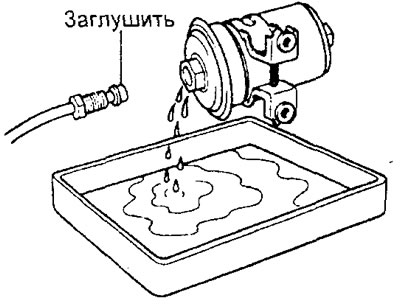
4. When the high pressure fuel line is disconnected, a large amount of fuel may leak out.
Therefore, preliminarily bleed the fuel pressure.
A) Disconnect the fuel pump connector.
b) Then start the engine and after the engine stalls, turn off the ignition.
V) Place a container under the assembly to be dismantled. Slowly loosen the connection, then undock it and drain the remaining fuel into a container, g) Seal the connection with a rubber plug and reconnect the fuel pump connector.
5. When removing and installing the injector and fuel manifold flange tube, always replace the appropriate O-ring with a new one.
Note: To prevent engine oil from entering the fuel manifold, it is recommended to apply gasoline or spindle oil to the O-ring when installing these parts.