Contents: Checking the purge system of the…⤓ Checking the vacuum hose nipple for…⤓ Checking the purge solenoid valve of…⤓
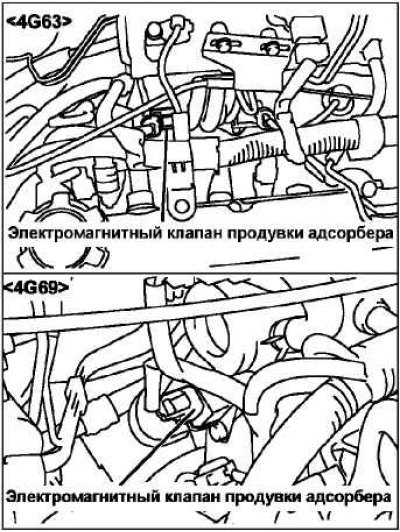
The fuel vapor recovery system, as its name suggests, is designed to prevent fuel vapors generated in the fuel tank from entering the atmosphere. From the fuel tank, fuel vapors are directed through the fuel tank pressure regulating valve and the fuel vapor suction hose/tube to the adsorber, where they are absorbed by activated carbon. When the car is moving, the fuel vapors accumulated in the adsorber are directed through the adsorber purge solenoid valve, vacuum hose and throttle body fitting to the intake manifold and then burn in the combustion chambers of the engine cylinders. At low coolant temperatures or at low air flow (for example, at idle), the engine control unit switches off the solenoid valve and the latter blocks the flow of fuel vapors into the intake manifold. This not only ensures stable engine operation when it is not warmed up or is operating under low load, but also reduces (literally: stabilizes, editor's note) toxic emissions.
Checking the purge system of the adsorber
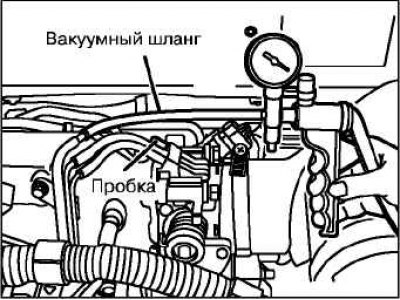 | 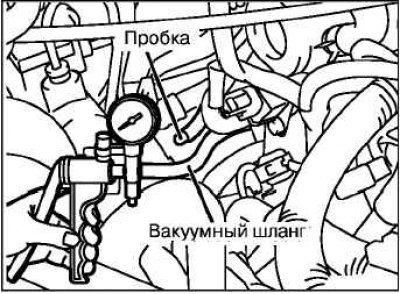 |
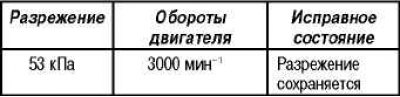
Disconnect the vacuum hose (with a red stripe) from the throttle body and connect a hand vacuum pump to it. Close the nipple from which the vacuum hose was removed with a plug. Create a vacuum with the pump while the engine is idling, either cold or warmed up, and check the condition of the engine and the vacuum.
The engine is not warmed up (coolant temperature is not more than 40°C)
The engine is warmed up (coolant temperature is not less than 80°C)
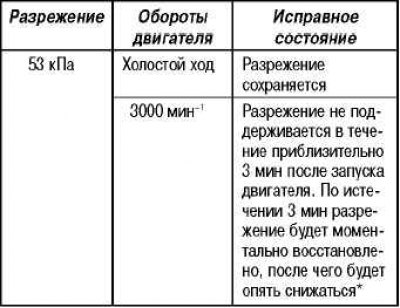
* The vacuum will decrease continuously if the absolute (barometric) pressure is approximately 77 kPa or less, or the intake manifold air temperature is approximately 50°C or more.
Checking the vacuum hose nipple for purging the adsorber
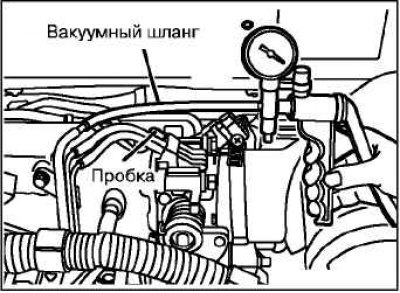
Disconnect the vacuum hose (with a red stripe) from the throttle body and connect a hand vacuum pump to the nipple of the removed hose.
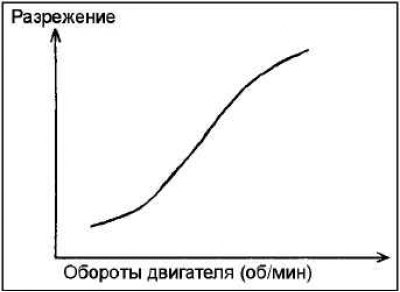
Start the engine and check that as the engine speed increases, the vacuum value increases proportionally.
Note: If the vacuum value does not increase or increases slightly, the throttle body nipple is probably clogged, so clean the nipple hole.
Checking the purge solenoid valve of the adsorber
Note: When disconnecting vacuum hoses, always make alignment marks first so that the hose is in its original position when reconnected.
 |  |
Disconnect the vacuum tubes (with black and red stripes) from the purge solenoid valve of the adsorber.
(The material was created based on the website: «www.mitsubishiman.ru»)
Disconnect the electrical connector.
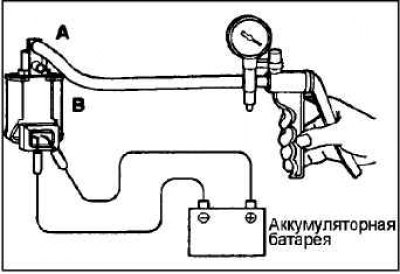
Connect a hand vacuum pump to the nipple (A) of the canister purge solenoid valve (as shown in the figure).
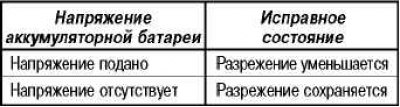
Check the operation of the valve (while creating a vacuum with a vacuum pump) by connecting/disconnecting the wires from the battery terminals to the valve terminals.
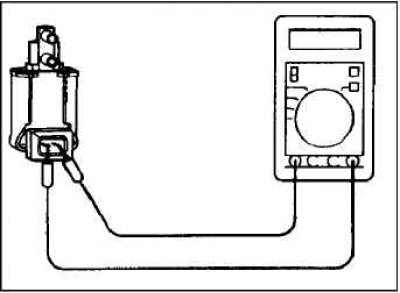
Measure the resistance between the terminals of the purge solenoid valve connector.
Nominal value: 36–44 Ohm (at 20°C).