



1. Start the engine and stop it after 1-2 minutes. Press the brake pedal several times with normal force. If the first stroke of the pedal is long and the second stroke is shorter than the first stroke, this indicates normal operation of the brake booster (Fig. 15.9). If the pedal height does not change, the brake booster is damaged.
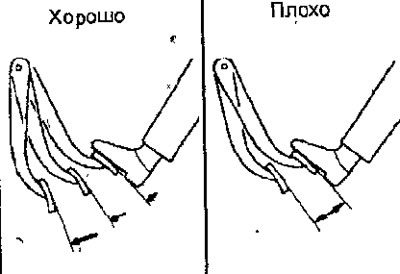
Fig. 15.9. Checking the brake booster after starting and stopping the engine
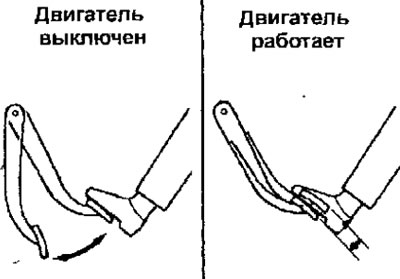
Fig. 15.10. Checking the brake booster after starting the engine
2. With the engine off, press the brake pedal several times. Start the engine. If the brake pedal moves down immediately after starting the engine, this indicates that the brake booster is working normally. If the pedal height does not change, the brake booster is damaged.
3. Start the engine. Press the brake pedal with normal force. Stop the engine. Slowly press the brake pedal and hold it for 30 seconds. If the pedal height does not change, the brake booster is working properly (Fig. 15.11).
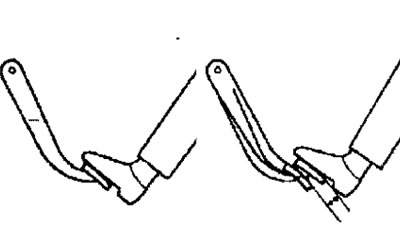
Fig. 15.11. Checking the brake booster after turning off the engine
Otherwise, check the one-way vacuum valve or vacuum hose for damage and make sure they are securely fastened.
[The article was taken from the website www.MitsubishiMan.ru]