



Contents: Checking the steering wheel free play ⤓ Checking the free travel of the…⤓ Checking the free travel of the…⤓
Cooling system leaks are usually detected by a white or rust-colored coating in the area adjacent to the leak.
Carefully inspect the radiator and coolant hoses along their entire length. Replace any hoses that are cracked, torn, or showing signs of wear. Cracks are easier to spot if the hose is pinched. Pay particular attention to the clamps that attach the hoses to the cooling system components. Hose clamps that have been tightened too much can cause the hose to rupture or puncture, resulting in leaks in the cooling system. Inspect all hoses and hose connection surfaces for leaks. If any leaking problems of this nature are found, replace that component or gasket.
Fuel leaks are difficult to pinpoint until the leak is significant and therefore easily visible. Fuel tends to evaporate quickly once it comes into contact with air, especially in a hot engine bay. Small droplets may disappear before you can pinpoint the leak. If you suspect a fuel leak in the engine bay area, cool the engine and run it while it is cold with the hood open. Metal objects tend to shrink when cold and rubber hoses tend to loosen, so any leaks will be more obvious as the engine warms up when starting from cold.
If there are signs that there is a leak of some kind of fluid, but you cannot identify the type of fluid or its exact origin, then you should leave the car for a long time and put a large piece of paper or rag under the car. This will help you find the place where the fluid is leaking, as well as identify the leaking fluid by color. But keep in mind that some leaks may only appear when the engine is running.
If you find a fuel leak and smell fuel, do not drive (do not start the engine), contact an authorized MITSUBISHI dealer for the necessary assistance.
Carefully inspect all rubber hoses and metal fuel lines coming from the fuel tank. Check for loose connections, worn hoses, kinked fuel lines, and other damage. Pay special attention to the vent tubes and hoses, which often twist around the filler hose and can become blocked, making the tank difficult to fill. Follow the fuel feed and return hoses to the front of the vehicle, carefully inspecting them all over for signs of damage or corrosion.
Checking the steering wheel free play
With the engine idling, turn the steering wheel left and right (Fig. 1.12). The free play measured around the steering wheel circumference should not exceed 30 mm.
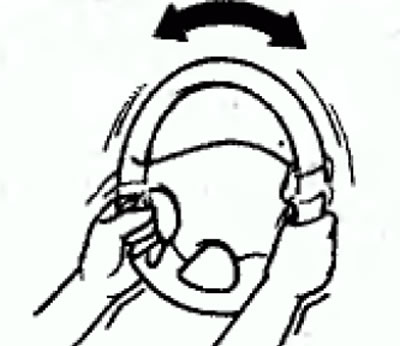
Fig. 1.12. Checking the steering wheel free play
If the steering wheel free play exceeds the limit, have an authorized MITSUBISHI dealer adjust the steering.
Checking the free travel of the clutch pedal
Press the clutch pedal by hand until you feel a noticeable resistance to its movement. Use a ruler to measure the free travel of the clutch pedal, which should be within 6-13 mm (Fig. 1.13).
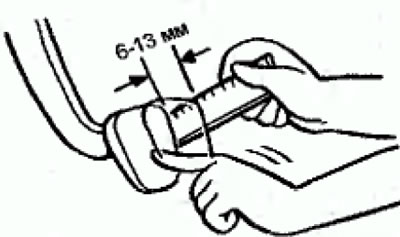
Fig. 1.13. Checking the free travel of the clutch pedal
If the clutch pedal free play is outside the specified limits, have an authorized MITSUBISHI dealer adjust the clutch pedal.
Checking the free travel of the brake pedal
Turn off the engine and press the brake pedal all the way down several times. Then press the brake pedal with your hand until you feel a noticeable resistance to its movement. Use a ruler to measure the free travel of the brake pedal, which should be within 3-8 mm (Fig. 1.14.).
The original material is posted on the website MitsubishiMan.ru
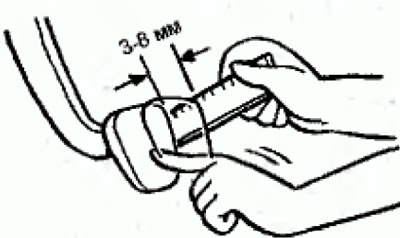
Fig. 1.14. Checking the free travel of the brake pedal
If the brake pedal free play is outside the specified limits, adjust it.