



2. Measure the height of the brake pedal (Figure 14.2). It should be: left-hand drive vehicles: 163.5-166.5 mm, right-hand drive vehicles: 162.5-165.5 mm.
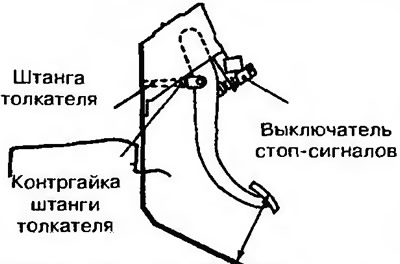
Figure 14.2. Measure the brake pedal height
3. If the measured height is not within the nominal value, adjust it as follows:
- disconnect the wiring connector from the brake light switch;
- adjust the height of the brake pedal. To do this, loosen the push rod lock nut and turn the push rod with pliers (Figure 14.3);
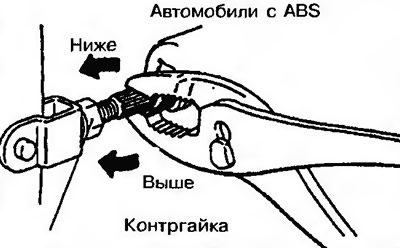
Figure 14.3. Adjust the brake pedal height by loosening the push rod lock nut and turning the push rod with pliers
- tighten the push rod lock nut;
- press the brake light switch until it touches the pedal lever (the switch should slide when pressed);
- lift the brake pedal and turn the brake light switch to adjust the distance (Figure 14.4);
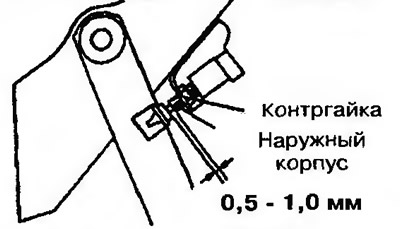
Figure 14.4. Lift the brake pedal and turn the brake light switch to adjust the distance
- connect the wiring connector to the brake light switch;
- make sure that the brake lights do not come on unless the brake pedal is pressed.
4. With the engine off, press the brake pedal two or three times to create a vacuum in the brake booster. Then press the pedal by hand and check that the stroke length before resistance begins (gap) corresponds to the required value (Figure 14.5). Nominal value: 3-8 mm.
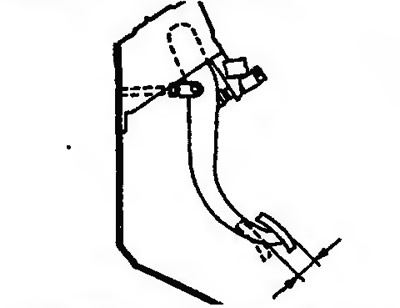
Figure 14.5. Press the pedal by hand and check that the stroke length before resistance begins (gap) corresponds to the required value
5. Start the engine and depress the brake pedal with a force of 490 N, and then measure the distance between the brake pedal and the car floor (Figure 14.6). The nominal value is 80 mm or more.
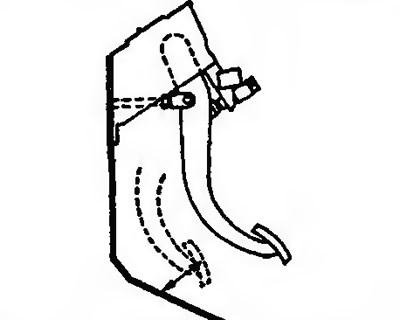
Figure 14.6. Measure the distance between the brake pedal and the car floor
6. If the gap does not correspond to the nominal value, check that there is no air in the brake system, as well as the correct distance between the brake lining and the drum.