



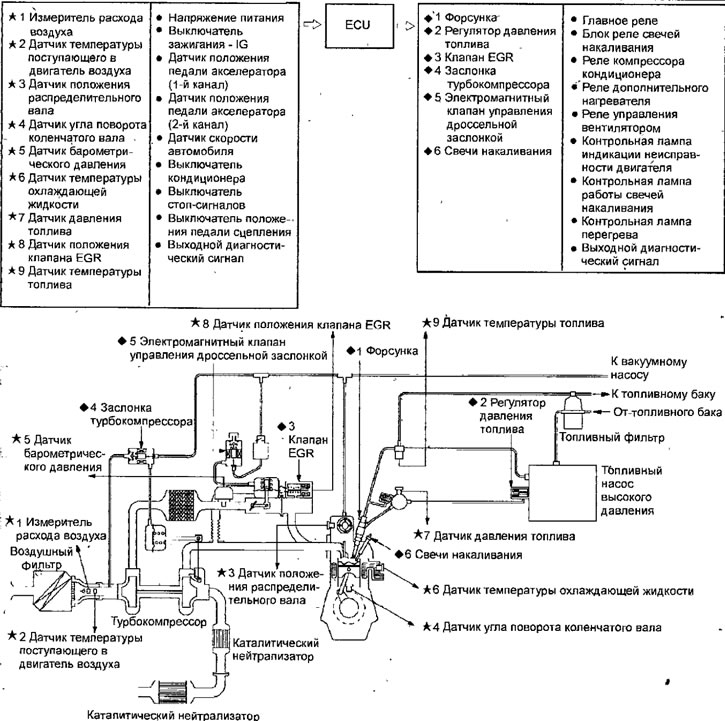
Fig. 8.1. Functional diagram of the fuel system of the diesel engine F9Q1
- The direct injection system is very sensitive to contamination. Dirt ingress can lead to the following conditions:
- damage or complete loss of pressure;
- jamming or depressurization of system elements.
- All maintenance work on the system must be carried out in conditions of complete cleanliness, which means preventing any contaminants (particles of several microns in size) from entering the system (injection during its disassembly or into the fuel supply system through fuel line connections).
Warning: The cleanliness guidelines apply to the entire system from the fuel filter to the injectors.
- The sources of pollution are:
The article is reprinted from a web resource: MITSUBISHIMAN.ru
- metal or plastic shavings;
- painting materials;
- various fibers of cardboard, brushes and brushes, paper, clothing fabrics and wiping material;
- foreign objects, such as hair;
- atmospheric air, etc.
- Do not wash the engine with a high-pressure water jet, as this may damage the electrical connectors. In addition, moisture may get inside the connectors, which may cause the electrical circuits to malfunction.
- Before starting work, make sure you have a supply of plugs to protect the detachable connections. The plugs are disposable and should be discarded after use. Cleaning does not make them suitable for reuse.
- Make sure you have resealable plastic bags available for storing removed parts, as this method of storage reduces the risk of contamination of parts.
- Make sure you have lint-free wipes. Do not use rags or regular paper for cleaning, as they leave fibers that can contaminate the fuel system. Each wipe is used only once.
- Use only fresh solvent each time you perform work, as used solvent contains contaminants.
- When working with protective gloves, wear rubber gloves over leather ones.
- Any removed element of the injection system after installing plugs on the holes should be stored in a sealed plastic bag.
- After disconnecting the fuel lines, it is strictly forbidden to use brushes, solvents, compressed air cleaning devices, brushes, or ordinary rags. The use of such cleaning methods may lead to contamination entering the system.
- If you replace any part with a new one, remove it from the packaging immediately before installing it on the vehicle.
Before any intervention in the fuel system, the following recommendations must be observed:
- After stopping the engine, wait 30 seconds before performing any work on the fuel system components, which ensures that the pressure drops to atmospheric pressure. However, be careful not to burn yourself with hot fuel.
- Before loosening connections of high-pressure fuel system components or before removing a fuel injector, thoroughly clean the area to be worked on with a suitable solvent (e.g. Sodimac). Apply the solvent with a brush at the level of the pipe connections and at the level of the injectors at their clamps, but do not use compressed air. Protect the generator with polyethylene film before applying the solvent.
- When loosening high pressure connections, use a second wrench to prevent the opposite part of the connection from turning.
- Immediately after disconnecting the fuel line, be sure to plug any openings through which contaminants may enter.