



Remember that the catalytic converter (if equipped) can remain hot much longer than other components of the exhaust system - use caution!
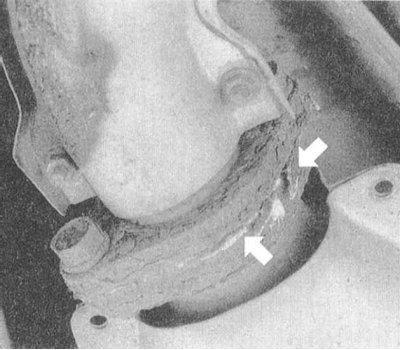
2. Check the system sections and their joints for signs of developing exhaust gas leaks, traces of corrosion and mechanical damage, make sure that the fasteners are tightened securely, check the condition and strength of the brackets and rubber suspensions of the system components.
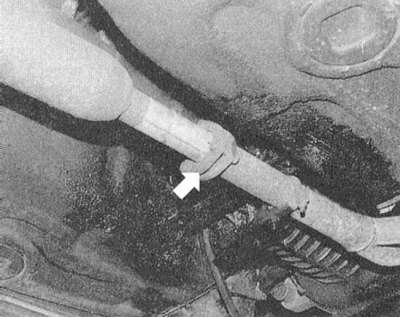 | 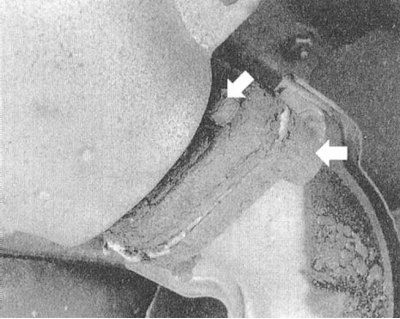 |
3. At the same time, inspect the underbody of the vehicle for holes, signs of corrosion, weld seams, and other damage that would allow exhaust gases to enter the vehicle interior. Seal any holes found with silicone sealant or regular body filler.
The original article is on (MITSUBISHIMAN.ru)
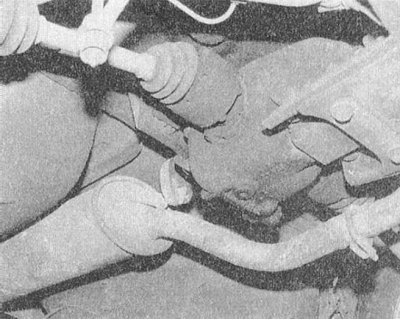
4. Rumble and many other extraneous noises while driving are often the result of loose fastening of exhaust system components or displacement of its sections. Carefully check the condition of the brackets and hangers, tug the pipes, muffler and catalytic converter, checking whether they are in contact with the elements of the bottom or suspension. If necessary, replace the components of the system supports.
5. The appearance of the exhaust pipe cut can be used to assess the overall operating condition of the engine with a high degree of reliability. The consistency and color of the deposits covering the end of the pipe allow you to identify engine adjustment violations. If the pipe is covered with black sooty deposits, or a whitish coating has formed on it, the engine, together with the fuel system, needs to be adjusted.