



Contents: DOHC (GDI) Engine ⤓ SOHC Engine (MPI) ⤓
DOHC (GDI) Engine
Warnings
- 1. Do not adjust the spark plug gap on iridium-tipped spark plugs.
- 2. Cleaning the spark plugs may damage the iridium electrodes. Therefore, if cleaning is necessary due to heavy carbon deposits, use a spark plug cleaner and do not clean the spark plug for more than 20 seconds. Do not use a wire brush to clean the spark plugs.
- 3. Spark plugs in GDI engines with iridium electrodes can operate normally even if they are covered with a layer of soot. The carbon (soot) on the electrodes burns with greater intensity than on conventional spark plugs and should not cause problems when the engine is running.
1. Remove the ignition coils.
2. Clean the spark plugs with compressed air to prevent dirt from getting into the engine cylinders after unscrewing the spark plugs. Use a spark plug wrench to unscrew the spark plug. To avoid damaging the spark plug, install the spark plug wrench strictly along the spark plug axis.
3. Using a round spark plug feeler gauge, check the gap between the spark plug electrodes (Fig. 9.5). The gap must always comply with technical requirements.
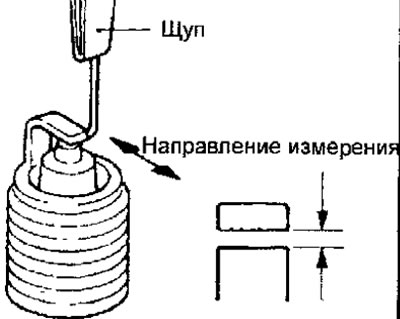
Fig. 9.5. Checking the gap between the spark plug electrodes
Spark plug gap; 0.5-0.6 mm
Maximum clearance: 0.75 mm
4. Measure the insulation resistance of the spark plug (Fig. 9.6). If the resistance is lower than required, replace the spark plug.
Resistance: 1 mOhm
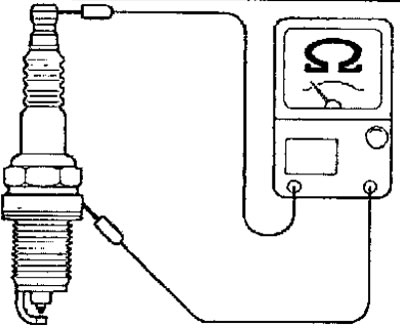
Fig. 9.6. Checking the insulation resistance of the spark plug
5. Clean the spark plug holes.
Warning: Be careful not to allow foreign particles to enter the cylinder.
6. Screw in the spark plugs.
7. Install the ignition coils.
SOHC Engine (MPI)
1. Disconnect the high-voltage wires from the spark plugs.
Original source of information [www.MitsubishiMan.ru]
Warning: When disconnecting the spark plug high-tension cable tip from the spark plug, do not pull on the wire, but only on the tip, while turning the tip half a turn in each direction.
2. Clean the spark plugs with compressed air to prevent dirt from getting into the engine cylinders after unscrewing the spark plugs. Use a spark plug wrench to unscrew the spark plug. To avoid damaging the spark plug, install the spark plug wrench strictly along the spark plug axis.
3. Check for burnout of the electrodes or damage to the spark plug insulator.
4. Remove carbon deposits using a steel brush or spark plug cleaning machine. After cleaning, clean the spark plugs from sand and blow them out with compressed air.
5. Use a round spark plug feeler gauge to check the gap between the spark plug electrodes (Fig. 9.5). The gap must always meet technical requirements. The gap is adjusted by bending the side electrode. The central electrode must never be bent, as this can cause the insulator to break and the spark plug to fail. A special tool must be used to bend the side electrode of the spark plug.
Spark plug gap: 1.0-1.1 mm
6. Clean the spark plug holes.
Warning: Be careful not to allow foreign particles to enter the cylinder.
7. Screw in the spark plugs