



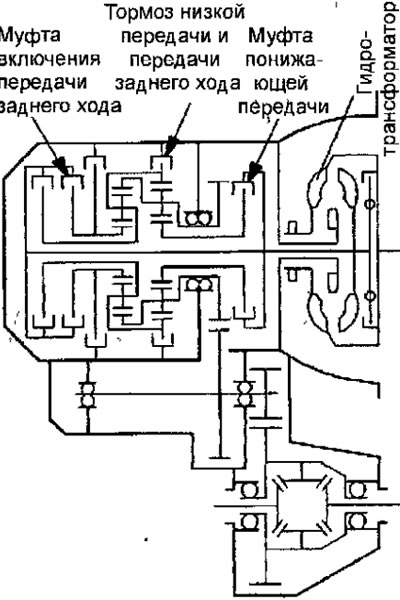
Fig. 13.26. Automatic transmission clutches and brakes
Warning: No one should stand in front or behind the vehicle while testing is being performed.
1. Before testing, check the levels of all operating fluids and, if necessary, top them up to normal.
- The transmission fluid level should be near the HOT mark on the gauge.
- The transmission fluid temperature should be between 70-80°C.
- Coolant temperature 80-100°C.
2. Place chocks under the rear wheels.
3. Apply the parking brake and press the brake pedal.
4. Start the engine.
5. Move the selector lever to position D. Press the brake pedal with your left foot and gently press the accelerator pedal with your right foot. When the engine speed no longer increases, read the tachometer and release the accelerator pedal.
Warning
- (1) To avoid damage to the gearbox, perform the test for 8 seconds.
- (2) If more than one test is required with the engine running, move the selector lever to the N position and run it at 1000 rpm until the transmission fluid cools.
Engine crankshaft speed during testing of automatic transmission and engine operation together on a stationary vehicle (stall test): 2200-2700 min⁻¹
6. Carry out the test in the same manner with the selector lever in position R.
Engine crankshaft speed during testing of automatic transmission and engine operation together on a stationary vehicle (stall test): 2200-2700 min⁻¹
Analysis of test results
1. The engine speed is higher than the specification in the D and R positions of the selector lever.
The material is based on data from the website: mitsubishiman.ru
- Low pressure in the pipeline.
- Brake slippage in low gear and reverse gear.
2. The engine speed is above specification only in position D of the selector lever.
- Downshift clutch slippage.
3. The engine speed is above the specification only in the R position of the selector lever.
- Reverse clutch slipping.
4. Engine speed is below specification in selector lever position D and R.
- Damage to the torque converter.
- Insufficient engine power