A winch or lift is required. Prepare all necessary tools and equipment. Read the sequence of operations carefully. Observe safety precautions. If necessary, consult or use the services of a workshop.
Engine Removal - Methods and Precautions
If you decide that the engine needs to be removed for overhaul or repair, there is some preparatory work that needs to be done.
It is extremely important to provide a suitable place to carry out the work. You will need a room large enough to accommodate the car itself. If you do not have a special workshop or garage, at least a site with a flat and smooth surface is necessary.
Cleaning the engine and engine compartment before you begin will help keep your tools and hands clean.
(Article reprinted from the website mitsubishiman.ru)
A winch for the engine will also be required. Make sure that the lifting capacity of the equipment used is calculated for the total weight of the engine and its various components. It is necessary to take into account that safety should be the main factor in organizing the work.
If the engine is removed by a novice, the presence of an assistant is necessary. Advice and assistance from more experienced craftsmen may also be useful. In many cases, it is simply impossible to cope with all the necessary actions when removing the engine from a car alone.
Plan ahead. Get all the necessary tools, equipment, and instruments before you begin. Here are some of the items you will need to remove and install the engine:
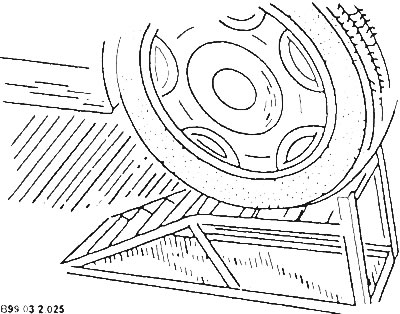
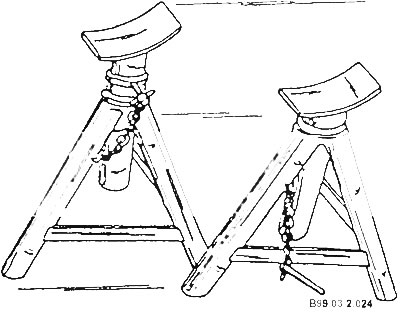
- tripod trestles (2 or 4 pcs.) or 2 ramps (overpasses);
- cargo trolley;
- floor jack designed for heavy loads;
- complete sets of keys;
- wooden blocks;
- plenty of clean rags and solvent to remove spilled oil, coolant and fuel.
If you have the opportunity to borrow a winch, take care of this in advance and perform all the operations preceding the winch operation before you have it. This will save you time.
Always exercise extreme caution when removing and installing the engine. Careless work can result in very serious injuries. Plan ahead, work calmly and then the work, despite its complexity, will be completed successfully.
Installing the car on supports (trestles)
To avoid damage to the underbody of the vehicle, place the vehicle jack and tripod trestles used to lift the vehicle only in designated areas. Never place the jack under the front or rear wheel suspension brackets.
A jack can also be used to lift a car. In this case, you need to lift one side first, put support trestles under the body (try not to damage the paintwork), and then lift the other side.
Before lifting the rear of the vehicle, engage reverse or first gear. While lifting the front of the vehicle, tighten the parking brake lever. For safety, support the rear wheels with wedges or place blocks (bricks) on both sides.
Be sure to pay attention to the fact that the surface on which the car is placed on the trestles is not soft, so that the jack or trestles do not get stuck in the ground. If you put a wide board under the jack (garage), this danger will be significantly reduced. The same applies to the car jack. Sometimes the ground seems hard until it becomes obvious that the base of the jack is slowly sinking into the soil.
The jack stands can only be placed under the body in the appropriate places, but they must be covered appropriately so that they cannot damage the body. A piece of an old car tire works well for this if placed between the jack stands and the body.
A ramp (overpass) is the most convenient means for lifting a car, since you can do it without a jack. When driving onto it, make sure that the guides are exactly in front of the wheels. For additional safety, the guides should have grooves for the wheels on the surface of the platform. The picture shows how the wheel should stand on such an overpass.