



Contents: Removal ⤓ Installation ⤓
Warning: To prevent damage to the gearbox mounting supports, the connections in the places marked with "*" in Figures 13.41 and 13.43 should be pre-tightened, and the final tightening should be performed after the engine has been lowered onto the supports.
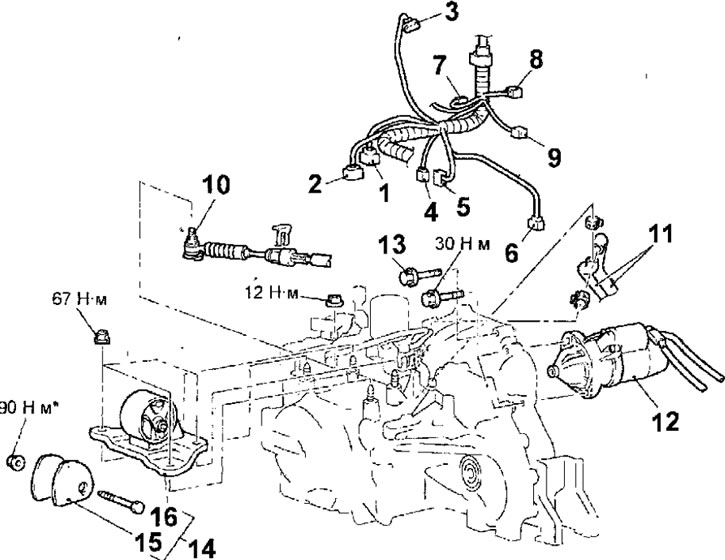
Fig. 13.41. Gearbox fastening elements: 1 - ignition interlock switch connector: 2 - automatic transmission control solenoid valve connector; 3- Air flow meter connector; 4 - Input shaft speed sensor connector; 5 - output shaft speed sensor connector; 6 - vehicle speed sensor connector; 7 — coolant temperature sensor connector; 8 - coolant temperature gauge sensor connector; 9 - knock sensor connector; 10 - gearbox control cable tip; 11 - transmission fluid heat exchanger hoses; 12 - starter; 13 — upper gearbox to cylinder block mounting bolts, 48 Nm; 14 - gearbox support; 15 - gearbox support stopper; 16 - gearbox support bracket
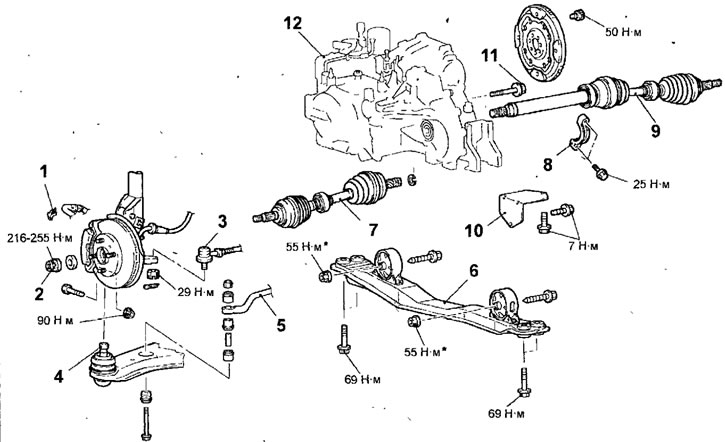
Fig. 13.43. Gearbox fastening elements: 1 - brake hose fastening clamp; 2-drive shaft mounting nut; 3 - ball joint of the steering rod end; 4 - lower arm ball joint; 5-anti-roll bar; 6 - central beam assembly; 7 - left drive shaft; 8 - bearing bracket; 9 - right drive shaft; 10 - lid; 11 - lower gearbox mounting bolts; 12 - gearbox
Removal
- Remove the lower protective cover.
- Drain the coolant from the engine cooling system.
- Drain the transmission fluid from the gearbox.
- Remove the bolts and remove the engine cover.
- Remove the air filter assembly.
- Remove the battery and its support.
- Loosen the nuts and disconnect the exhaust inlet pipe from the exhaust manifold.
- Disconnect the connectors from the ignition lock switch, automatic transmission control solenoids, air flow meter, input shaft speed sensor, output shaft speed sensor, vehicle speed sensor, coolant temperature sensor, coolant temperature gauge sensor, and knock sensor (Fig. 13.41).
- Remove the cotter pin and disconnect the gearshift cable end from the selector lever.
- Disconnect the transmission fluid heat exchanger hoses.
- Unscrew the bolts and remove the starter and, without disconnecting the wires from it, secure it in a place where it will not interfere with the removal of the gearbox.
- Remove the upper bolts securing the gearbox to the cylinder block.
- Using a hydraulic jack, carefully lift the gearbox, then loosen the nut, remove the bolt and remove the gearbox support.
- To support the engine, install a special tool on the vehicle (engine lift with a hand hoist and a crossbar) Fig. 13.42.
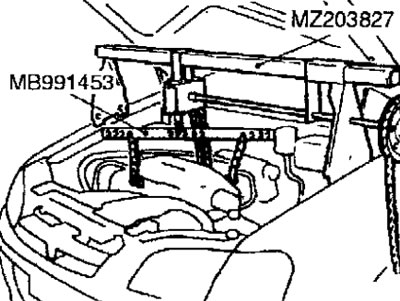
Fig. 13.42. Using a crossbeam to lift the engine from the engine compartment
- Remove the engine mount.
- Raise the car on a lift.
- Remove the retainer securing the brake hose to the front suspension strut (Fig. 13.43).
- Loosen the nut securing the drive shaft to the front wheel hub.
- Remove the cotter pin and loosen the nut securing the ball joint pin of the tie rod end to the steering knuckle.
Warnings
- Do not unscrew the nut securing the ball joint pin of the tie rod end to the steering knuckle. To avoid damaging the threads on the ball joint pin, use the special tool MB991113 or MB990635.
- To prevent the special tool MB991113 or MB990635 from falling, secure it to the front suspension strut.
- Install the special tool MB991113 or MB990635 as shown in Figure 13.44, making sure that the jaws of the tool are parallel. Rotate the bolt of the special tool to push the ball joint pin out of the steering knuckle, then loosen the nut and remove the ball joint pin from the steering knuckle.
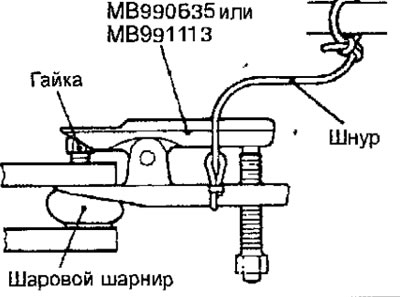
Fig. 13.44. Using a special tool to push the ball joint pin out of the steering knuckle
- Loosen the nut, remove the bolt and the lower arm ball joint pin from the steering knuckle.
- Remove the nuts and bolts securing the stabilizer bar to the lower control arms. Remove the bolts and clamps securing the stabilizer bar, then remove the stabilizer bar from the vehicle.
- Loosen the nuts, remove the bolts and remove the center beam assembly.
- Insert a pry bar between the inner CV joint of the left drive shaft and the gearbox and lightly tap the pry bar to remove the drive shaft from the gearbox.
Warnings
- Use the pry bar very carefully to avoid damaging the joint and gearbox housing.
- Do not insert the pry bar too deeply to avoid damaging the differential seal.
- Do not pull on the drive shaft as this will damage the constant velocity joints.
- Remove the bolts and the right drive shaft bearing bracket.
- Remove the right drive shaft from the gearbox.
- Together with the hubs and steering knuckles, move the drive shafts away from the gearbox.
Warning: Do not separate the drive shafts from the steering knuckles and hubs.
- Use soft wire to secure the removed drive shafts inside the wheel arches so as to prevent the CV joints from being severely bent.
- Install special plugs instead of drive shafts to prevent dirt from getting into the gearbox.
Warning: Replace the differential seal whenever the drive shaft is removed.
- Remove the bolts and remove the cover.
- While turning the engine crankshaft, unscrew the torque converter drive plate mounting bolts.
- Press the torque converter towards the transmission so that it does not remain on the engine.
- Remove the lower transmission mounting bolts and lower the transmission to the floor.
Installation
- Installation is carried out in the reverse order of removal, taking into account the following.
- Install the anti-roll bar and tighten the self-locking nut so that the anti-roll bar mounting bolt protrudes above the nut as shown in Figure 13.45.
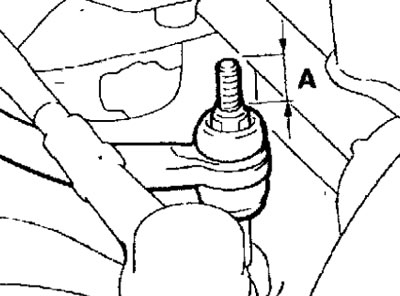
Fig. 13.45. Distance (A) of the stabilizer mounting bolt protrusion: A = 22 mm
- Install the gearbox stop so that the arrow on the flange points in the direction shown in Figure 13.46.
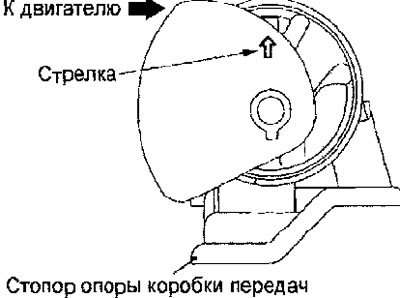
Fig. 13.46. Installing the gearbox locking flange
- Connect the gearbox control cable to the gearbox and secure it with a cotter pin.
- Connect the exhaust pipe to the exhaust manifold.
- Install the battery and its support.
- Install the air filter assembly.
- Install the engine cover.
- Fill the transmission with transmission fluid.
- Fill the engine cooling system with coolant.
- Install the lower protective cover.
- Check and, if necessary, adjust the wheel alignment angles.