



Contents: General information ⤓ Working hours ⤓
General information
The EGR system reduces nitrogen oxide (NOx) emissions. If the combustion temperature of the air-fuel mixture is high, a large amount of nitrogen oxides is formed in the combustion chamber. Therefore, the EGR system feeds some of the formed gases into the combustion chamber to lower the temperature of the air-fuel mixture, which in turn leads to a decrease in the nitrogen oxide content. The EGR performance is regulated by the EGR valve so as not to reduce engine power.
Working hours
Under one of the following conditions, the EGR valve remains closed, preventing exhaust gas recirculation. Under normal driving conditions with a warm engine, the EGR valve opens and the EGR process begins.
- Low engine coolant temperature.
- The engine is idling.
- The engine runs with the throttle valve fully open.
The diagram of the exhaust gas recirculation system is shown in Figure 6.10. The location of the electromagnetic valve of the exhaust gas recirculation system is shown in Figure 6.11a-d.
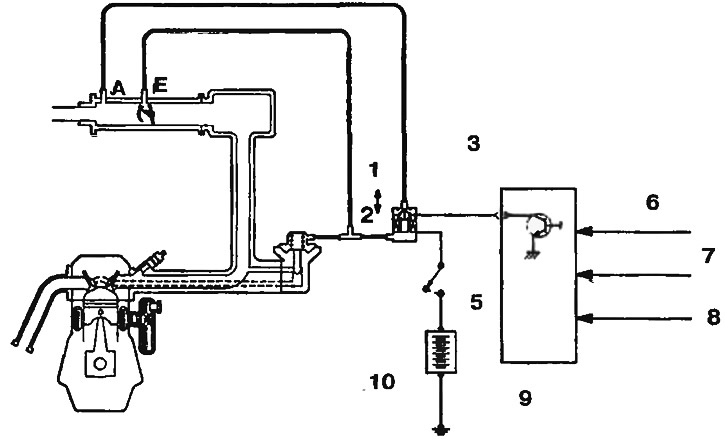
Figure 6.10. Exhaust gas recirculation system diagram: 1 - ON; 2 - OFF; 3 - EGR control solenoid valve; 4 - EGR valve; 5 - Control relay 6 - Air flow meter 4G9; 7 - Coolant temperature sensor; 8 - Crankshaft angle sensor; 9 - Engine control unit; 10 - Battery
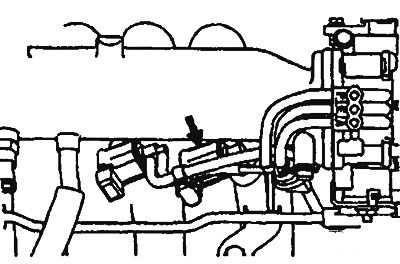
Figure 6.11a. Location of the electromagnetic valve of the exhaust gas recirculation system of the 4G1 engine | 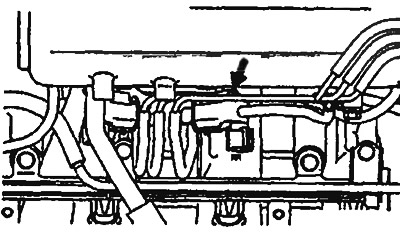
Figure 6.11b. Location of the electromagnetic valve of the exhaust gas recirculation system of the 4G9 engine (except MW) |
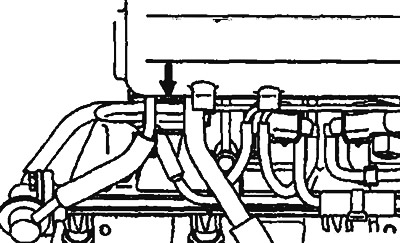
Figure 6.11c. Location of the electromagnetic valve of the exhaust gas recirculation system of the 4G9 - MW engine | 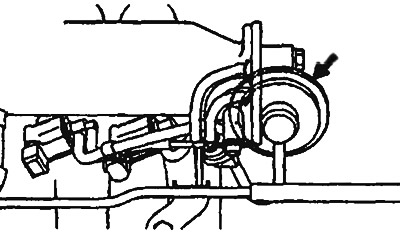
Figure 6.11d. EGR valve of the 4G1 engine |
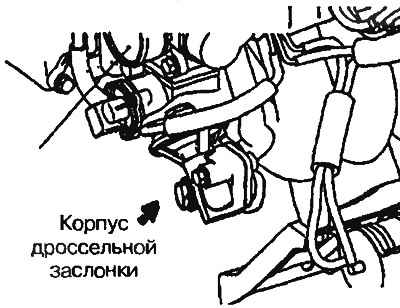
Figure 6.11d. EGR valve of the 4G9 engine