



General information
The mixture preparation system prevents the gasoline vapors generated in the fuel tank from escaping into the atmosphere. The fuel vapors are directed through the fuel pressure regulating valve via a fuel pipe or hose to be held for a while in the absorption tank. When the engine is running, the fuel vapors from the absorption tank pass through the purge air control solenoid valve and the purge channel into the intake manifold, where they then enter the combustion chamber. If the engine coolant temperature is low or the intake air volume is low (e.g. when the engine is idling), the engine control unit switches off the purge air control solenoid valve and thus interrupts the incoming flow of fuel vapors into the intake manifold. This not only maintains the performance properties when the engine is cold or under low load, but also stabilizes the exhaust emission level.
The diagram of the gasoline vapor recovery system is shown in Figure 6.5. The location of the electromagnetic valve of the gasoline vapor recovery system is shown in Figure b.ba-c.
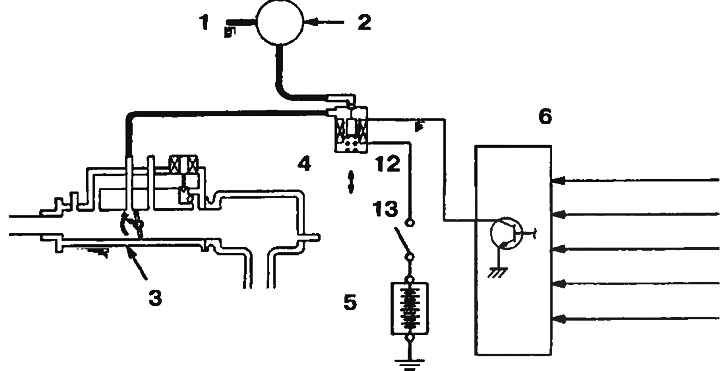
Figure 6.5. Schematic diagram of the gasoline vapor recovery system: 1 - From the fuel tank; 2 - Fuel vapor recovery system tank; 3 - Throttle body; 4 - Solenoid valve for purge air control; 5 - Control relay; 6 - Engine control unit; 7 - Vacuum sensor 4G1; 8 - Engine air flow meter 4G9; 9 - Coolant temperature sensor; 10 - Inlet air temperature sensor; 11 - Engine atmospheric pressure sensor 4G9; 12 - OFF; 13 - ON.
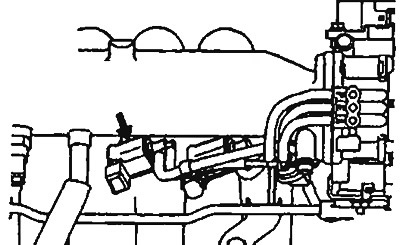
Figure 6.6a. Location of the electromagnetic valve of the gasoline vapor recovery system of the 4G1 engine | 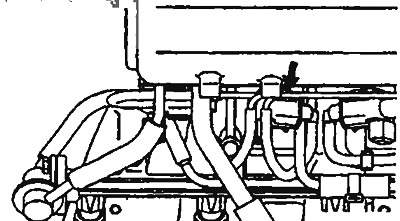
Figure 6.6b. Location of the electromagnetic valve of the gasoline vapor recovery system of the 4G9 MW engine |
The original article is on MitsubishiMan.ru
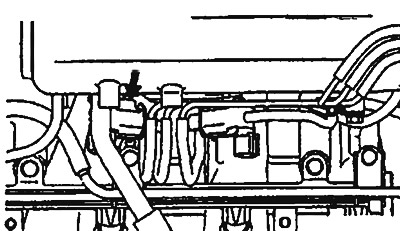
Figure 6.6c. Location of the electromagnetic valve of the gasoline vapor recovery system of the 4G9 engine (except MW)