



Contents: Disassembly ⤓ Examination ⤓ Installation ⤓ Adjusting the float height ⤓ Checking and adjusting after assembly ⤓ Checking the air damper ⤓ Checking channels ⤓
The disassembled carburetor of type "A" is shown in Figure 10.7a-g, and the carburetor of type "B" is shown in Figure 10.8.
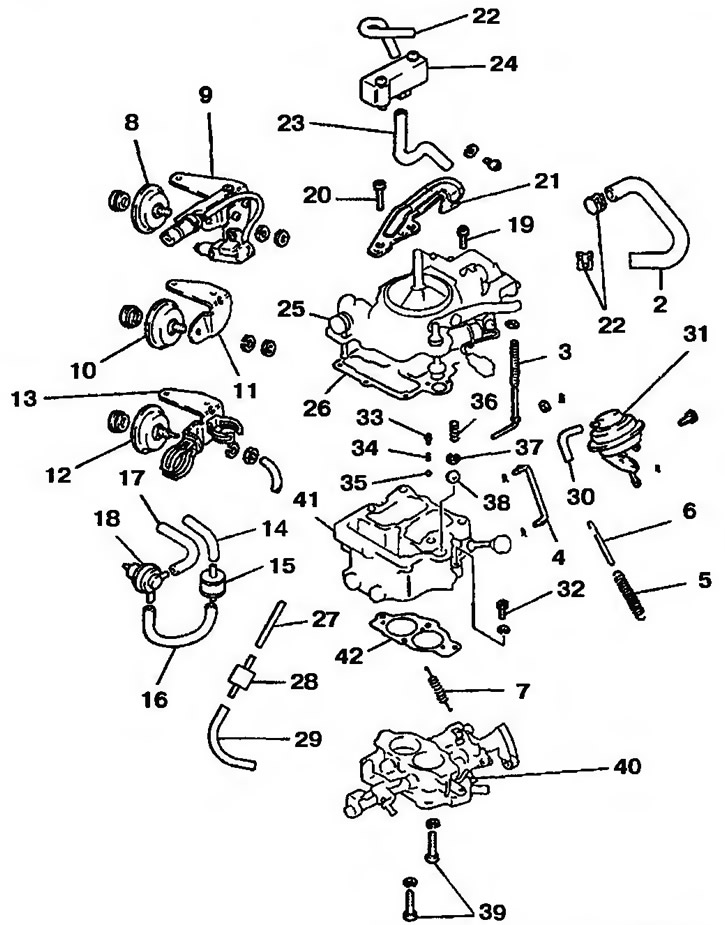
Figure 10.7a. Type "A" carburetor: 1 - Clamp; 2 - Cooling system pipe; 3 - Pump rod; 4 - Throttle linkage; 5 - Throttle return spring; 6 - Spring; 7 - Return spring; 8, 10, 12 - Throttle dampers; 9 - Throttle position sensor with bracket; 11, 13 - Brackets; 14, 16, 22, 23, 27, 29, 30 - Tubes; 15 - Retarding valve; 18 - Servo valve; 19, 20, 32, 39 - Bolts; 21 - Bracket; 24 - Idle speed compensator; 25 - Carburetor cover; 26 - Gasket; 28 - Vacuum retarder valve; 31 - Diaphragm chamber; 33 - Pin; 34 - Spring; 35, 38 - Check valve balls; 36 - Pump damping spring; 37 - Retainer; 40 - Throttle body; 41 - Float chamber housing; 42 - Gasket
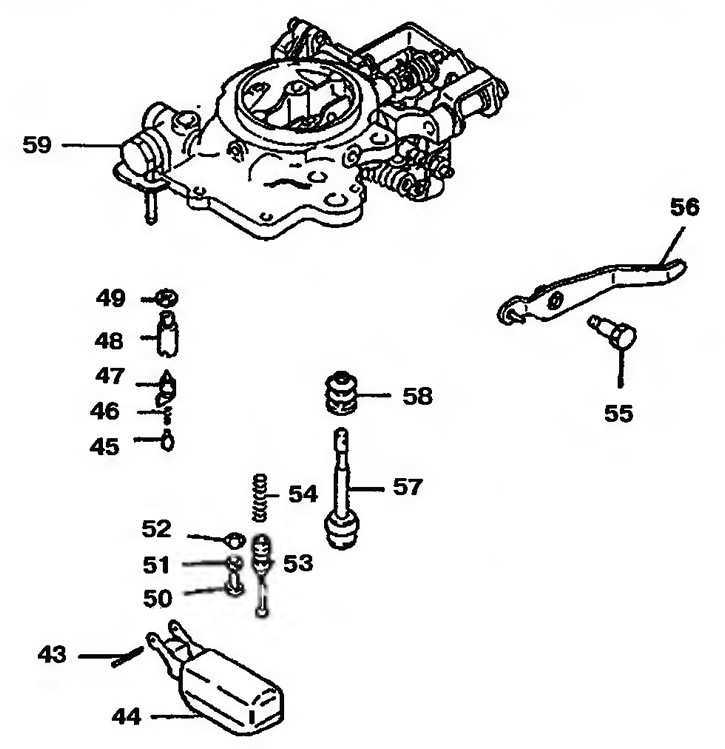
Figure 10.7b. Carburetor cover: 43 - Float axis; 44 - Float; 45 - Sliding pin; 46 - Spring; 47 - Needle valve; 48 - Needle valve seat; 49 - Gasket; 50, 55 - Bolts; 51 - Washer; 52 - Limiter; 53 - Full load piston; 54 - Piston spring; 56 - Pump lever; 57 - Pump plunger; 58 - Corrugated cover; 59 - Carburetor cover
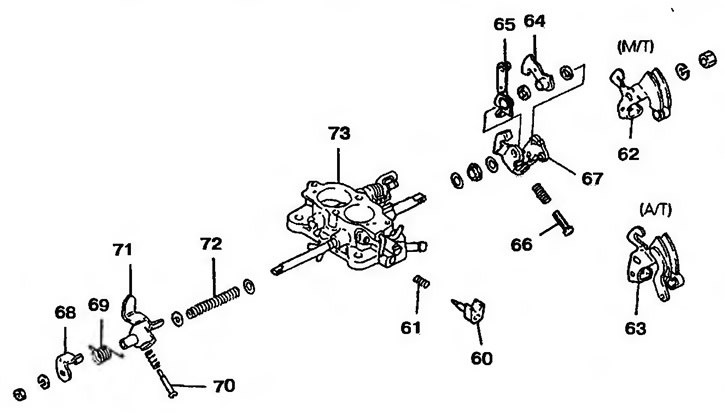
Figure 10.7c. Carburetor throttle body: 60 - Fuel mixture quantity adjustment bolt; 61, 69, 72 - Springs; 62 — Throttle lever (manual transmission); 63 - Throttle lever (automatic transmission); 64 - Lever; 65 - Pusher; 66 - Idle speed adjusting bolt; 67 - Earring; 68 - Throttle closing damper lever A; 70 - Adjusting bolt; 71 - Throttle closing damper lever B; 73 - Throttle body
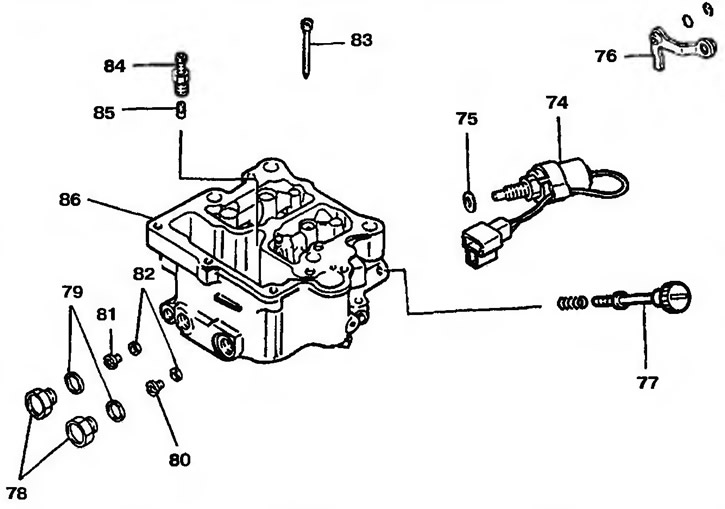
Figure 10.7g. Carburetor float chamber: 74 - Solenoid shut-off valve; 75, 79, 82 - Gaskets; 76 - Lever; 77 - Speed adjusting bolt; 78 - Cork; 80 - Primary jet; 81 - Secondary jet; 83 - Idle jet; 84 - Full Load Valve; 85 - Full Load Jet; 86 - Float chamber
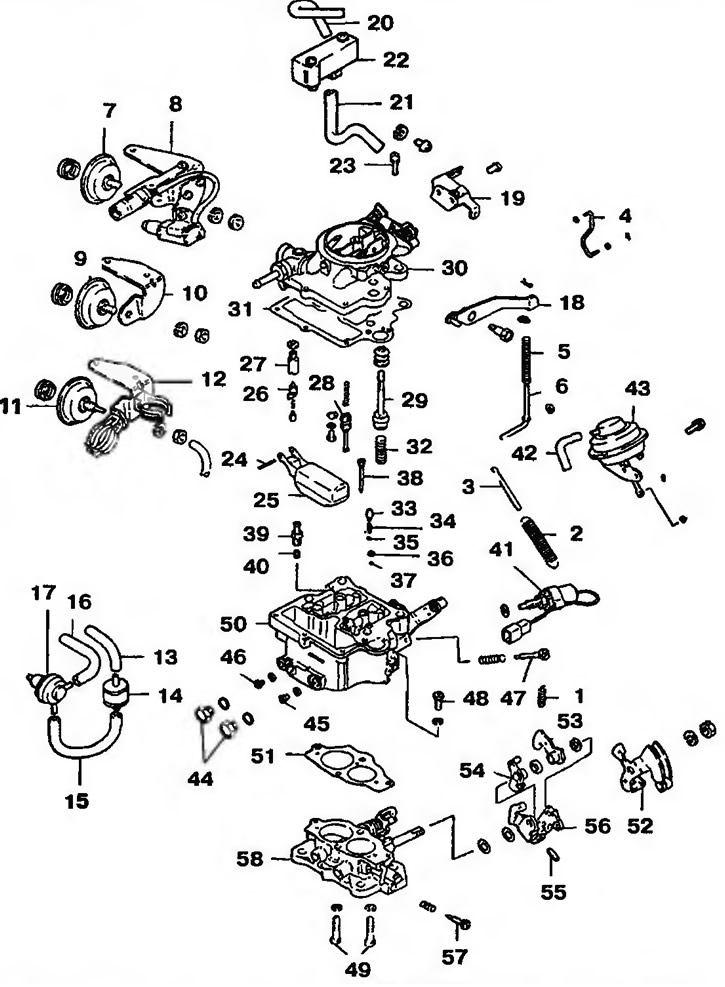
Figure 10.8. Type "B" carburetor: 1 - Secondary spring; 2 - Return spring; 3 - Damping spring; 4 - Throttle actuator rod; 5, 32, 34 - Springs; 6 - Pump connecting rod; 7, 9, 11 - Throttle closing dampers; 8 - Bracket with throttle position sensor; 10, 12, 19 - Brackets; 13, 15, 16, 20, 21 - Tubes; 14 - Retarding valve; 17 - Servo valve; 18 - Pump lever; 22 - Idle compensating valve; 23, 48, 49 - Bolts; 24 - Float axis; 25 - Float; 26 - Needle valve; 27 - Needle valve seat; 28 - Full load piston; 29 - Pump plunger; 30 - Carburetor cover; 31, 51 - Gaskets; 33 - Weight; 35, 37 - Check valve balls; 36 - Retainer; 38 - Idle jet; 39 - Full load valve; 40 - Full Load Jet; 41 - Solenoid shut-off valve; 42 - Vacuum hose; 43 - Decompression chamber; 44 - Cork; 45 - Primary jet; 46 - Secondary jet; 47 - Speed adjusting bolt; 50 - Float chamber; 52 - Throttle lever; 53, 56 - Levers; 54 - Idle speed adjustment lever; 55 - Idle speed adjusting bolt; 57 - Fuel mixture quantity adjustment bolt; 58 - Throttle body
Disassembly
1. Using special tool MD 998299, remove the idle speed limiter and the fuel mixture quantity adjusting screw (Figure 10.9).
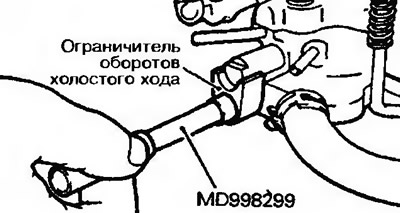
Figure 10.9. Remove the idle speed limiter and the fuel mixture adjusting screw
2. First remove the screw plug, then insert a screwdriver into the threaded hole of the plug seat to unscrew the main jet (Figure 10.10).
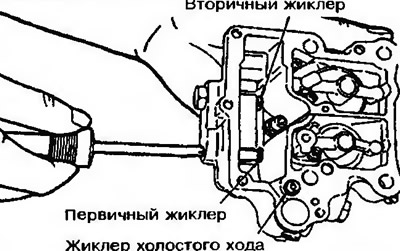
Figure 10.10. Unscrewing the main jet
Examination
3. Check the fuel and air passages for blockages. If they are blocked, wash the blocked parts (injectors, etc.) with detergent or special cleaning liquid and blow them out with compressed air (Figure 10.11). Do not use wires or metal objects for cleaning.
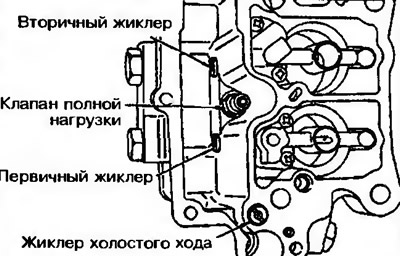
Figure 10.11. Checking the fuel and air passages of the carburetor
4. Check the membranes, sealing rings and springs for damage.
5. Check the smooth operation of the needle valve (Figure 10.12). If the valve moves with difficulty or gets stuck, it must be repaired or replaced.
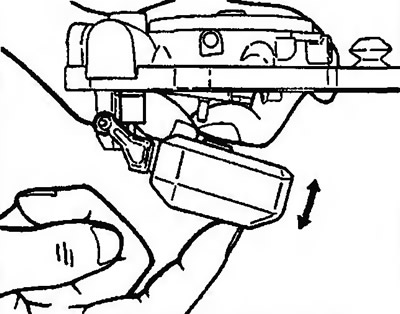
Figure 10.12. Checking the operation of the needle valve
[The article is reprinted from this source: MitsubishiMan]
6. Check the fuel inlet filter (located above the needle valve) for blockages or damage.
7. Check the operation of the float, deformation and damage to the lever and float.
8. Check the throttle valves and traction system. If they move with difficulty, wash the parts and apply a thin layer of engine oil to their rollers.
9. Check the carburetor cover and body for damage or cracks.
Installation
10. If the main jet or idle jet is replaced, the new jet must be the same size as the old one, since they were originally selected according to exact dimensions in connection with the flow capacity (each jet has its own number) (Figure 10.13).
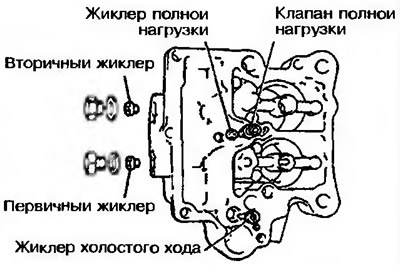
Fig. 10.13. Installing jets
11 Install the main jet and idle jet. The primary jet is yellow brass, the secondary is white.
12 The primary and secondary jets and the idle jet have slots of different sizes at the ends for easy identification (Fig. 10-14).
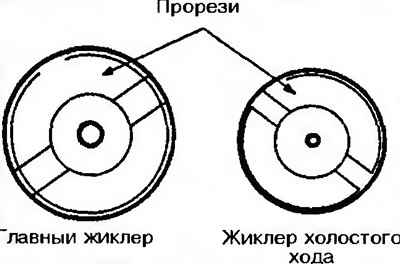
Figure 10.14. Jet markings
Adjusting the float height
13 Turn the carburetor cover and remove the hook located on the needle valve (Fig. 10 15).
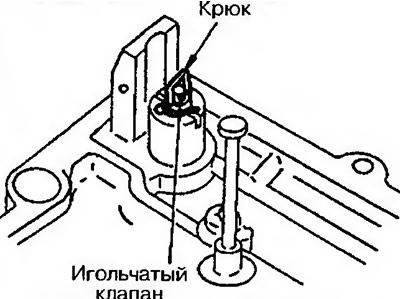
Figure 10 15. Turn the carburetor cover and remove the hook located on the needle valve
14. Install the float and pin.
15. Press the float up to the stop and measure the gap between the needle valve and the float lever (Figure 10.16). Specified value: 15-17 mm.
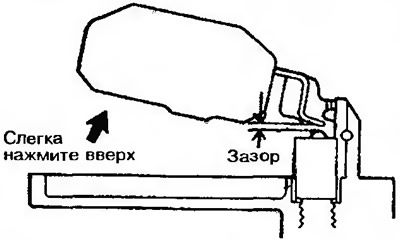
Figure 10.16. Checking the clearance between the needle valve and the float lever
| Lever position | Gap |
| Bend over | It is increasing |
| Straighten | Decreases |
16. If the value does not correspond to the specified one, adjust it by bending the lever (Figure 10.17).
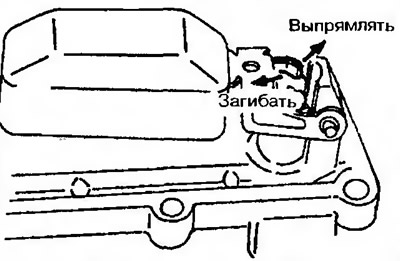
Fig. 10.17. Adjusting the clearance between the needle valve and the float lever
17. Let the float sink under its own weight and then measure the distance between the float and the carburetor cover (Figure 10.18).
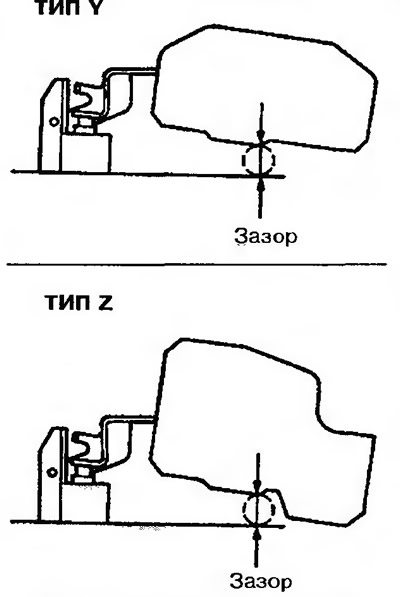
Figure 10.18. Checking the distance between the float and the carburetor cover
Type Y - about 8.0 mm, type Z - about 7.4 mm.
18. If the distance does not correspond to the specified one, adjust it by tilting the part (arrow) (Figure 10.19).
19. Remove the float and install the hook on the needle valve.
20. Set the float when the float fist hangs on the hook.
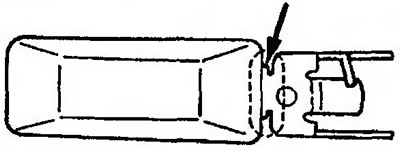
Figure 10.19 Adjusting the distance between the float and the carburetor cover
Checking and adjusting after assembly
21. Before checking and adjusting, the carburetor must be placed in a room with a temperature below 18°C for at least an hour and then in a room with a temperature of about 23°C for at least an hour (type "A" carburetor).
22. Make sure that the alignment mark on the lever coincides with the center punch mark on the pushrod (type "A" carburetor) (Figure 10.20).

Figure 10.20. Aligning the marks on the lever with the center punch mark on the pusher
23. Move the choke lever until it is completely closed (type "B" carburetor) (Figure 10.21).
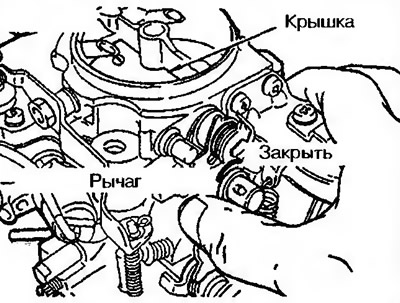
Figure 10.21. Checking the closing of the air damper
24. Measure the gap between the primary valve and the carburetor wall (Figure 10.22).
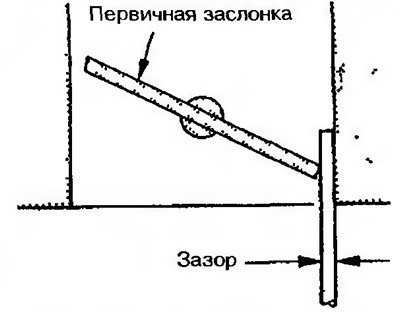
Figure 10.22. Checking the gap between the primary damper and the wall
25. If the gap does not correspond to the permissible values, adjust it with the idle speed adjusting bolt (Figure 10.23).
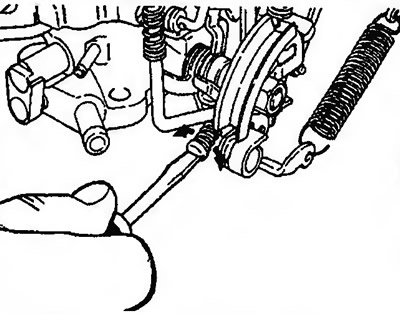
Figure 10.23. Adjusting the clearance with the idle speed adjusting bolt
| Direction of rotation of the adjusting bolt | Gap | Notes |
| Clockwise | It is increasing | Idle speed increases |
| Counterclockwise | Decreases | Idle speed decreases |
Checking the air damper
26. With the primary throttle valve fully open, move the secondary throttle lever with your finger to ensure that the secondary throttle shaft does not have excessive play and that the secondary throttle valve moves freely.
27. If the secondary valve moves with difficulty, clean the valve and adjacent surfaces, then lubricate the shaft with engine oil.
28. If the secondary valve shaft has excessive clearance, replace the throttle body.
Checking channels
29. When connecting a hand vacuum pump to individual channels, check them for blockages (Figure 10.24, a, b).
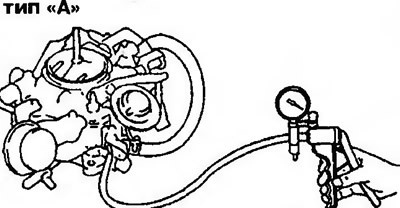
Figure 10.24a. Checking for blockages in the carburetor channels | 
Figure 10.24b. Checking for blockages in the carburetor channels |
30. If you find a blockage, clear the corresponding channel and blow it out with compressed air.